1. Walt Disney – Emphasized that the true secret to making progress is to stop endlessly discussing plans and actually start executing them.
2. Eleanor Roosevelt – Advocated that the future ultimately belongs to individuals who have the courage to trust the power of their aspirations.
3. Seneca – Noted that things often seem difficult because we hesitate to attempt them, rather than the difficulty preventing us from trying.
4. Aristotle – Maintained that excellence is never an accident; it is the natural consequence of daily, disciplined habits rather than isolated actions.
5. Confucius – Taught that the speed of your advancement is irrelevant as long as you refuse to come to a complete standstill.
6. Johann Wolfgang von Goethe – Urged people to take immediate action on whatever they believe they can do, as boldness inherently carries its own power and magic.
7. Lao Tzu – Reminded that even the longest expedition spanning thousands of miles must inevitably start with a single, humble step.
8. Benjamin Franklin – Warned that leaving tasks for tomorrow wastes precious momentum, as time is the essential fabric life is built upon.
9. Henry David Thoreau – Believed that when someone advances confidently toward their aspirations, unexpected success meets them along the way.
10. Thomas Edison – Highlighted that genuine achievement relies far less on raw brilliance than on steady, tireless perspiration and trial.
11. Pablo Picasso – Stressed that deliberate action serves as the foundational cornerstone beneath every meaningful achievement.
12. Marcus Aurelius – Advised individuals to rise each morning recognizing their duty as human beings to work and contribute meaningfully.
13. Ralph Waldo Emerson – Advocated carving your own unique trail rather than blindly following paths beaten down by crowds.
14. Amelia Earhart – Argued that making the initial decision to act is universally the toughest hurdle, after which persistence takes over.
15. Epictetus – Challenged individuals to decide how much longer they plan to wait before demanding the very best from themselves.
16. Sun Tzu – Observed that vast opportunities multiply rapidly only as they are seized and pursued.
17. Socrates – Remarked that to move the world, one must begin by mastering and moving oneself first.
18. Leonardo da Vinci – Observed that knowing is insufficient without application, and willingness means nothing without execution.
19. Napoleon Hill – Taught that whatever the human mind can genuinely conceive and trust, it has the capacity to achieve.
20. Alexander the Great – Believed that no task remains truly impossible for someone willing to make the necessary effort.
Resilience & Adversity
21. Winston Churchill – Stated that triumph is not final and defeat is never fatal; what truly counts is the fortitude to continue onward.
22. Friedrich Nietzsche – Noted that hardships and trials that fail to destroy an individual inevitably forge greater inner strength.
23. Nelson Mandela – Shared that true glory lies not in avoiding falls, but in having the resolve to stand up every single time you stumble.
24. Helen Keller – Observed that life is either a daring, bold venture or it holds no real meaning at all.
25. Viktor Frankl – Explained that when we lack the power to alter our external circumstances, we are called to transform ourselves from within.
26. Kahlil Gibran – Expressed that suffering carves deep spaces into the soul, allowing for an equal measure of joy and strength.
27. A.P.J. Abdul Kalam – Reminded learners that experiencing failure merely signifies your initial effort in learning, not an end.
28. Rumi – Taught that the emotional and spiritual wounds one sustains often serve as the very gateway where light enters.
29. Charles Darwin – Concluded that long-term survival does not favor the strongest or smartest, but rather those most adaptable to change.
30. Martin Luther King Jr. – Urged people to maintain forward momentum through whatever means possible—whether running, walking, or crawling.
31. Harriet Tubman – Taught that inside every person lies the inherent strength, patience, and passion needed to reach for greater heights.
32. Maya Angelou – Believed that while you may endure multiple defeats, you must never allow your inner spirit to be conquered.
33. Theodore Roosevelt – Celebrated the person who enters the arena, daring greatly and persevering despite dust, sweat, and blood.
34. Albert Einstein – Observed that adversity often holds within it the seed of a profound, hidden opportunity.
35. Plato – Noted that the most critical and noble triumph a human can achieve is victory over their own personal fears.
36. Michelangelo – Remarked that the block of stone merely hides the masterpiece; persistent chisel work sets the form free.
37. Dante Alighieri – Encouraged seekers to stay on their chosen course and let the chattering opinions of the crowd pass by.
38. Homer – Pointed out that enduring past struggles with dignity often turns those memories into sources of pride later.
39. Voltaire – Warned that demanding absolute perfection often ruins the genuine good that can be achieved right now.
40. Bram Stoker – Wrote that overcoming great obstacles teaches lessons that a life of effortless ease could never provide.
Mindset & Self-Belief
41. Henry Ford – Noted that whether a person assumes they can achieve something or assumes they cannot, they are usually right.
42. William James – Argued that the greatest breakthrough of his era was discovering that altering attitude fundamentally alters life outcomes.
43.Buddha – Taught that the mind is the supreme architect of experience; what an individual contemplates, they eventually become.
44. Swami Vivekananda – Urged individuals to take up a singular grand ideal, make it their entire life focus, and live with absolute conviction.
45. Rabindranath Tagore – Observed that you cannot cross water simply by standing and staring out at the waves.
46. James Allen – Pointed out that thoughts act as seeds, directly determining the character and circumstances a person harvests.
47. Mark Twain – Remarked that the primary danger is not what you do not know, but what you falsely assume to be certain.
48. Carl Jung – Emphasized that until you make the unconscious conscious, it directs your life and you will mistakenly call it fate.
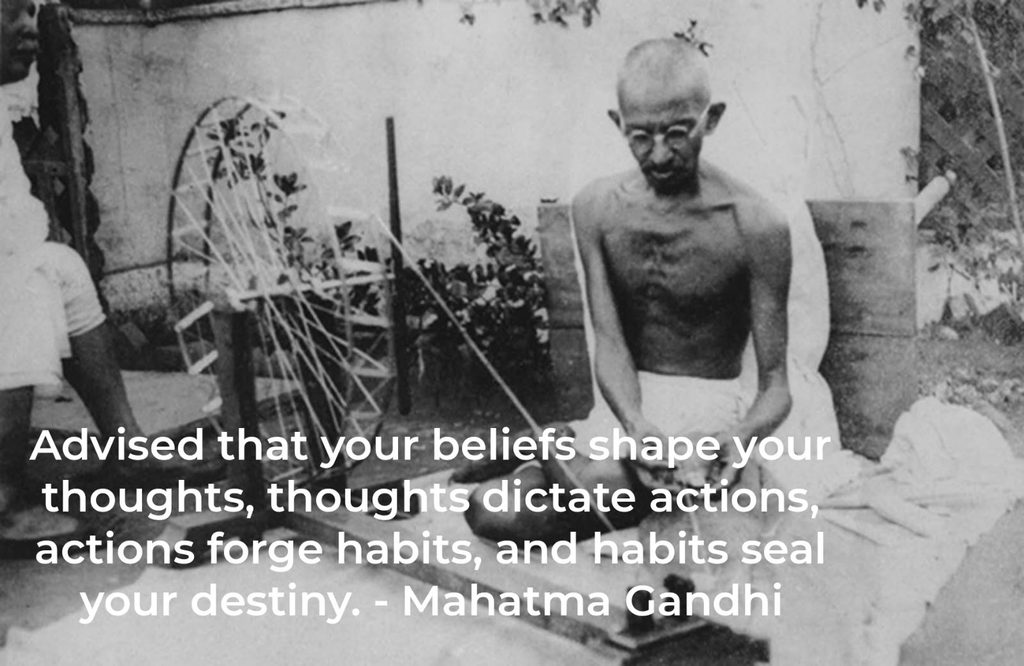
49. Mahatma Gandhi – Advised that your beliefs shape your thoughts, thoughts dictate actions, actions forge habits, and habits seal your destiny.
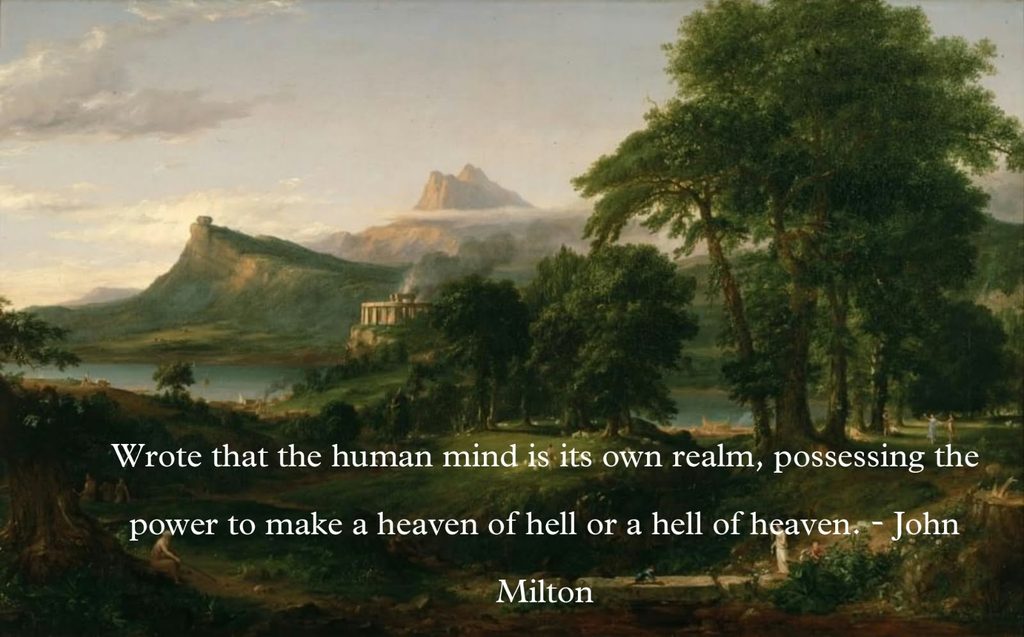
50. John Milton – Wrote that the human mind is its own realm, possessing the power to make a heaven of hell or a hell of heaven.
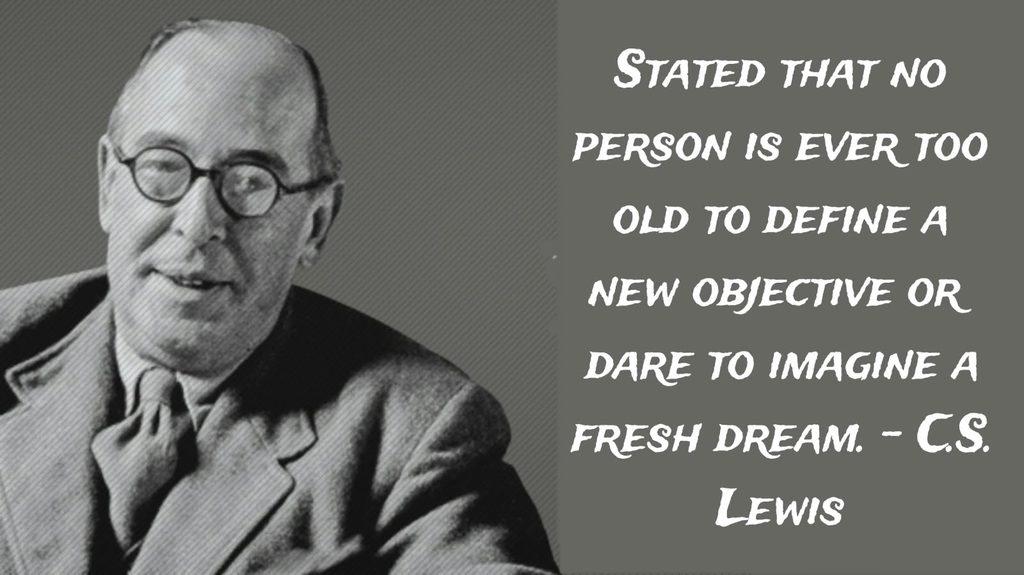
51. C.S. Lewis – Stated that no person is ever too old to define a new objective or dare to imagine a fresh dream.
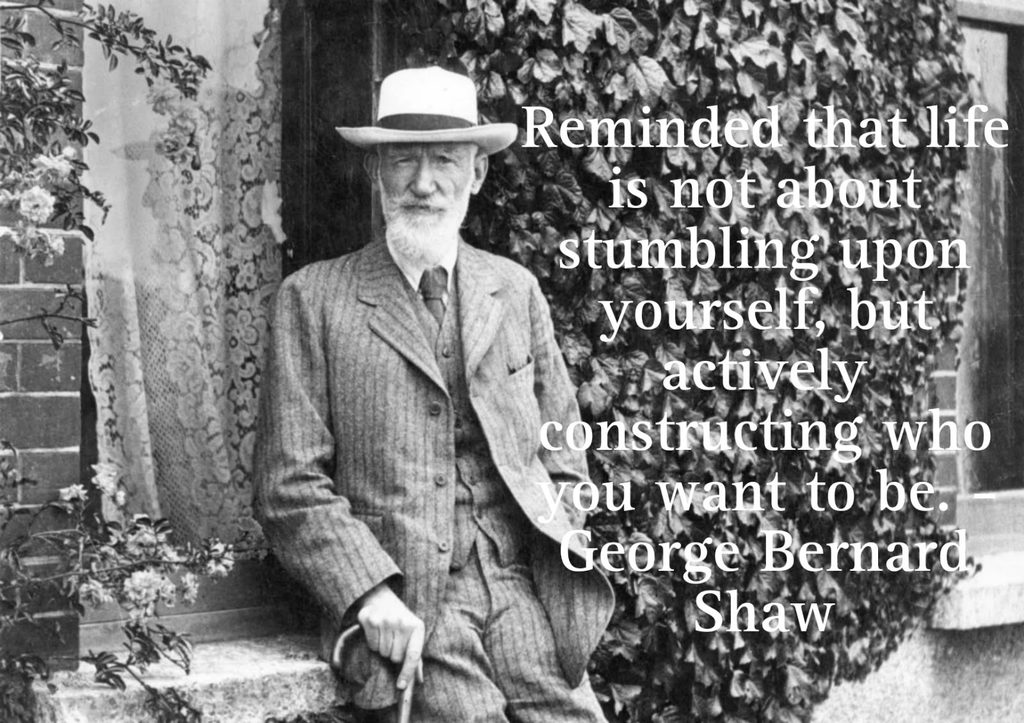
52. George Bernard Shaw – Reminded that life is not about stumbling upon yourself, but actively constructing who you want to be.
53. Blaise Pascal – Observed that all human misery stems from an inability to sit quietly alone in a room and reflect.
54. Baruch Spinoza – Argued that peace is not merely the absence of external conflict; it is a virtue born from inner mental strength.
55. Desmond Tutu – Explained that doing small bits of good collectively transforms and overwhelms the challenges of the world.
56. Arthur Schopenhauer – Noted that fate shuffles the deck, but our character and choices alone dictate how we play the cards.
57. Jean-Jacques Rousseau – Believed that true human freedom consists not in doing whatever you desire, but in never being coerced into doing what you oppose.
58. Immanuel Kant – Held that human dignity springs from autonomy and acting from a sense of duty toward universal principles.
59. William Shakespeare – Observed through his works that our doubts often turn us into traitors, making us lose achievements through fear of trying.
60. Charles Dickens – Advised never closing your heart to genuine feeling, as a compassionate spirit remains the most resilient shield.
Purpose, Focus & Growth
61. Abraham Lincoln – Remarked that if granted six hours to fell a tree, he would spend the first four purely sharpening the ax.
62. Steve Jobs – Advised that fulfilling truly great work requires genuinely loving what you spend your days building.
63. Warren Buffett – Highlighted that the single greatest investment you can ever make is directly in your own skill set and abilities.
64. Robert Frost – Reflected that choosing the less-traveled road makes all the difference in an individual’s final journey.
65. David Thoreau – Noted that the price of anything is the amount of life and attention you exchange for it.
66. Charles Kingsley – Cautioned against praying for simple lives, urging people instead to seek greater strength to handle larger challenges.
67. Cicero – Observed that a room devoid of books is much like a physical body lacking an animated soul.
68. Galileo Galilei – Stated that you cannot teach someone everything directly; you can only help them uncover truth inside themselves.
69. Francis Bacon – Stressed that knowledge becomes real strength and power only when applied toward constructive ends.
70. Albert Schweitzer – Asserted that success is not the source of happiness; rather, loving what you do naturally brings success.
71. Bertrand Russell – Argued that overcoming fear is the very starting point of acquiring genuine wisdom.
72. Stephen Covey – Taught that highly effective people begin with the end clearly mapped in their minds before acting.
73. Victor Hugo – Wrote that no physical army can withstand the overwhelming force of an idea whose right time has arrived.
74. Jane Austen – Suggested that personal growth demands knowing your own mind without depending entirely on external approval.
75. Leo Tolstoy – Observed that while everyone dreams of changing humanity, almost nobody pauses to transform themselves first.
76. Mary Shelley – Observed through her narratives that dangerous ambitions without ethical grounding only invite devastation.
77. George Eliot – Affirmed that it is never too late in life to step forward and become the person you could have been.
78. Hermann Hesse – Pointed out that true awakening begins only when a person learns to accept themselves completely.
79. Plutarch – Taught that the human mind is not an empty vessel to be filled, but rather a fire waiting to be kindled.
80. Louisa May Alcott – Wrote that she did not fear fierce storms, because they were the very means by which she learned to sail.
Time, Discipline & Legacy
81. Jim Rohn – Stated that everyone eventually pays a price: either the small daily burden of discipline or the crushing weight of regret.
82. Peter Drucker – Explained that the most reliable method for predicting the future is to actively plan and produce it.
83. Robin Sharma – Taught that daily, seemingly microscopic consistency reliably outperforms sporadic bursts of raw intensity.
84. Miyamoto Musashi – Wrote in his warrior codes that mastering the fine details of one trade unlocks insight into all trades.
85. Bruce Lee – Advised people to absorb what is genuinely useful, discard the unnecessary, and inject their own unique essence.
86. Sun Tzu – Observed that disciplined patience combined with keen preparation ensures victory before engagement even begins.
87. J.R.R. Tolkien – Reminded readers that not everyone who takes an unconventional, winding wander is truly lost.
88. John Locke – Emphasized that habits formed in youth form the foundational rails upon which adult character travels.
89. Michel de Montaigne – Stated that the most remarkable achievement a person can claim is living an upright, honest life.
90. Euripides – Pointed out that wasting time without intention is one of the costliest expenditures a person can commit.
91. Sophocles – Taught that fortune naturally leans toward supporting those who dare to step out and make bold efforts.
92. Thomas Jefferson – Observed that the harder and more diligently he worked, the more fortunate he appeared to become.
93. W.E.B. Du Bois – Advocated that true education must train human souls for capability, character, and freedom.
94. Booker T. Washington – Emphasized measuring success not by the position attained, but by the hurdles overcome while climbing.
95. Emily Dickinson – Conveyed that holding onto an inner spark of hope can sing endlessly even through severe cold and trials.
96. Arthur Conan Doyle – Noted through his detective stories that monumental truths are often uncovered through patient attention to tiny details.
97. Adam Smith – Highlighted that prudence and self-command remain the essential twin anchors of long-term stability.
98. Edgar Allan Poe – Suggested that an intense focus and undivided attention can turn obscure concepts into clear breakthroughs.
99. Pericles – Reminded citizens that what you leave behind is not what is carved on stone monuments, but what is woven into the lives of others.
100. Marcus Tullius Cicero – Concluded that while memory dims with the passage of days, a legacy of virtue remains timeless.